Helen Saulnier
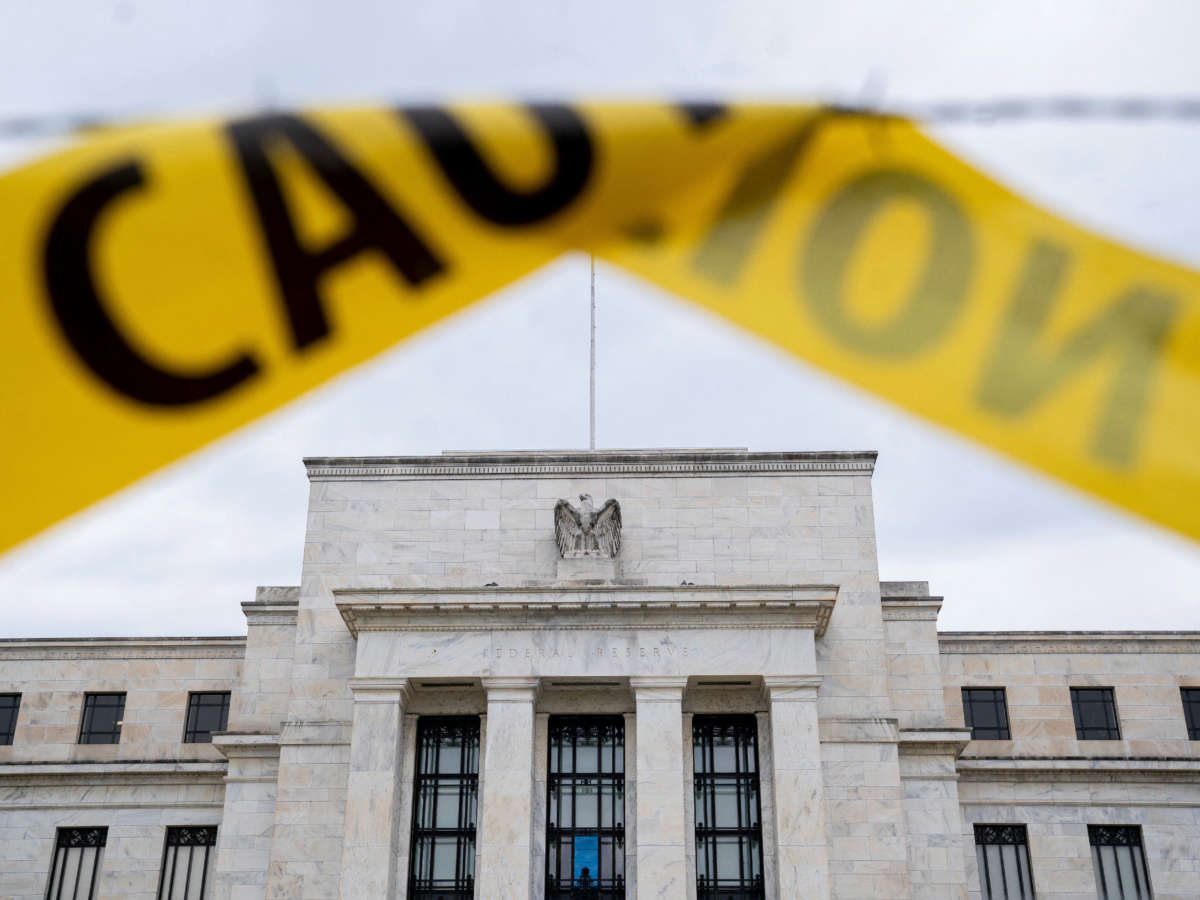
Hundreds of federal officers in the executive department over the very last two presidential administrations have disclosed investing stocks in firms that their companies oversee, symbolizing hundreds of opportunity conflicts of interest, a new investigation finds.
The Wall Road Journal analyzed in excess of 31,000 economic disclosure kinds dated involving 2016 and 2021, which included facts on in excess of 315,000 trades in shares, bonds and money by officers and their rapid families. These files showed that about 2,600 senior officials throughout 50 federal organizations have disclosed possessing stock in corporations that have lobbied the agency that they do the job in. This represents more than just one in five senior federal govt branch officers, the report uncovered.
These trades characterize many potential conflicts of interest — and specific conflicts of interest that company officials appear to have simply swept apart and “waived the rules” for, the report states. These inventory holdings reveal that not only do officers have personal economic curiosity in providers they are accountable for regulating, but also that they may possibly be buying and selling stocks at seemingly opportune moments.
Nearly a single in a few Environmental Protection Company (EPA) officials have reported possessing investments in corporations lobbying the company, keeping up to $2 million in shares in fossil gas organizations on typical annually concerning 2016 and 2021. Donald Trump official Michael Molina, for instance, a senior adviser to the deputy EPA administrator, had owned oil and gasoline stocks that could have benefited from Trump’s policies favoring fossil gasoline providers.
In a different potential conflict of curiosity, Foodstuff and Drug Administration (Fda) official Malcolm Bertoni owned a amount of shares in foods and drug businesses that he said the company gave him permission to own — despite individuals corporations becoming on the agency’s no-purchase checklist. And Defense Secretary workplace officers collectively owned among $1.2 and $3.4 million in protection contractors or defense corporations on ordinary in the examined many years.
The timing of these trades is suspect, most likely suggesting insider trading. The report discovered that extra than 60 officers had traded shares in businesses just just before their organizations declared actions from them. A single Protection Office formal, Greg Zacharias, had acquired inventory in Lockheed Martin five instances just ahead of the Pentagon awarded it a new $1 billion contract.
It is feasible that numerous of these trades ended up authorized, even if there are conflicts of curiosity. Whilst officers aren’t permitted to do function that could have an effect on their personalized funds, rules close to trading are regularly unenforced — and the rules are frequently weak adequate that officers can work around them.
A lot of of these most likely conflicted trades “clearly violate the spirit behind the regulation, which is to manage the public’s assurance in the integrity of the federal government,” ethics lawyer and previous common counsel for the U.S. Office environment of Governing administration Ethics Don Fox explained to The Wall Street Journal.
The report will come at a time when governing administration officials’ capability to trade stocks is beneath scrutiny. Democrats and Republicans have been pushing for a ban on Congress members’ capacity to trade shares for months, and lots of of the officers whose stock trades were being analyzed by the report may possibly be banned from buying and selling stocks below Democrats’ most current monthly bill, launched by Democratic leaders late last thirty day period.
Ethics gurus say significant degree lawmakers and officers ought to in fact be banned from trading stocks, not only to reduce prospective conflicts of curiosity but also to restore general public have faith in in federal government agencies and choice earning. But advocates for a inventory ban say that the concern of banning executive and judiciary branch officers from buying and selling shares ought to be introduced to a separate vote, somewhat than involved in the very same proposal for users of Congress, noting that Democratic leaders involved a extensive vary of officials in their bill in purchase to garner opposition from Republicans and probably doom its passage.